On-site across Melbourne · Remote planning Australia-wide

Smart homes, planned properly. Technology that works together.

From planning and advice to coordination, setup and integration, we help your home’s technology work together, whether you’re building, renovating or improving the home you already live in.

Tell us what you’re planning or what isn’t working. We’ll help identify the right next step.

The parts of a home we plan, coordinate and integrate. Your electrician and cabler do the physical work.

Building or renovating?

Plan the network, device locations and automation before the electrical walkthrough, with a clear brief for the trades involved.

Improving your existing home?

Get help with unreliable Wi-Fi, disconnected devices or a smart-home setup that is not working as it should.

Services

The right setup for your home.

From a focused improvement to a whole-home project, we start by understanding what you need.

Homeowners who need a clear plan before choosing equipment or starting work

Smart Home Plan

Make the important decisions before buying devices or committing to cabling. Get an agreed plan for the technology, locations and priorities in your home.

Examples of work that can be scoped. Your proposal confirms what is included.

  • Room-by-room cabling and device planning
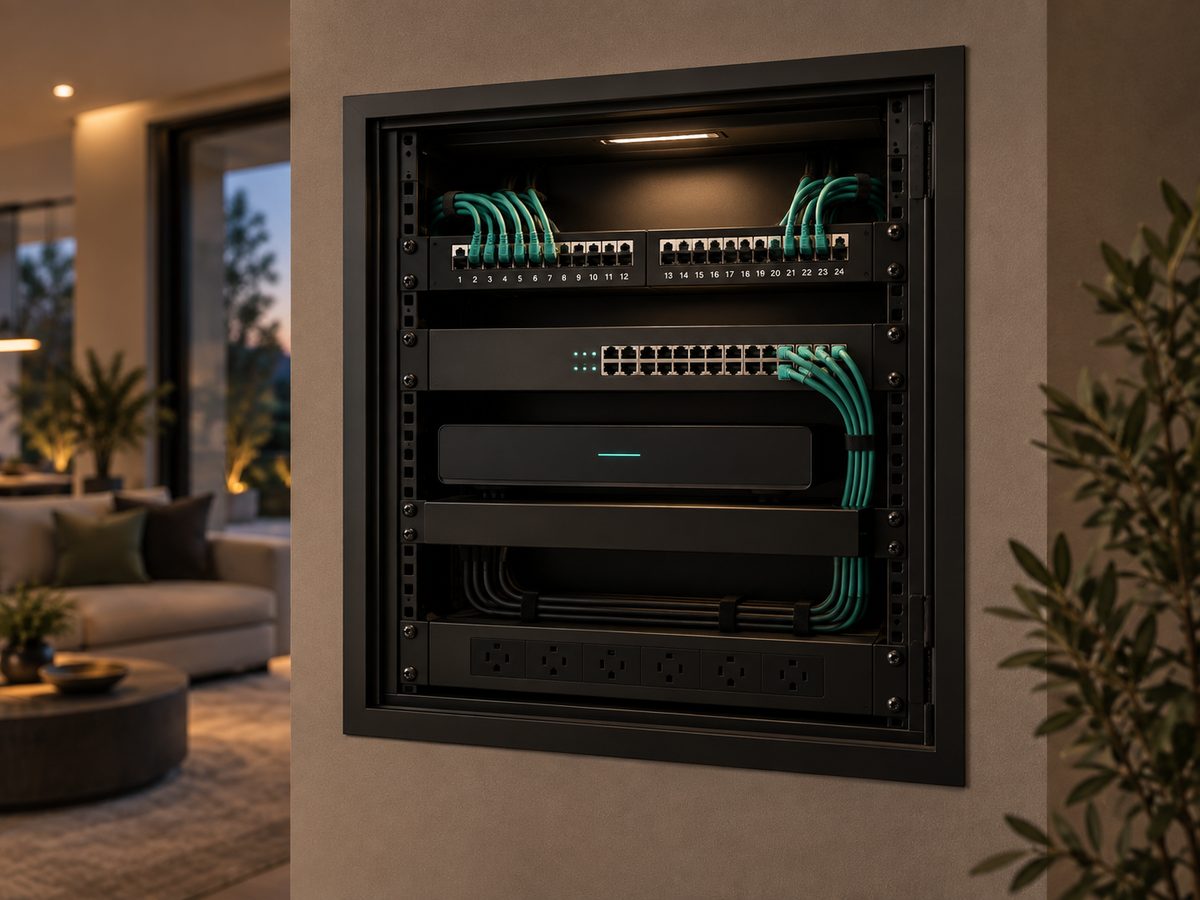
  • Communications-cupboard requirements
  • Hardware options
  • A brief for the electrician or cabler

Remote planning, Australia-wide. Deliverables, revisions and timing are set out in the proposal.

Individually scoped and quoted

Existing homes and projects needing a properly planned network

Home Wi-Fi & Network

Plan and configure a home network around your layout, connected devices and coverage needs.

Examples of work that can be scoped. Your proposal confirms what is included.

  • Network layout and equipment selection
  • Configuration using suitable existing cabling
  • Guest and device network separation where agreed
  • Documented settings and handover

Cabling suitability and any required trade work are part of the scope discussion.

Individually scoped and quoted

Homes with compatible devices that should work as one system

Smart Home Setup

Home Assistant-based integration

Bring compatible devices into one usable setup, with controls and automations designed around how your household lives.

Examples of work that can be scoped. Your proposal confirms what is included.

  • Home Assistant configuration
  • Agreed compatible integrations
  • Household dashboards
  • Agreed scenes and automations
  • Energy monitoring where supported

Individually scoped and quoted

Existing systems that are unreliable, unfinished or difficult to use

Fix My Smart Home

Get help investigating unreliable Wi-Fi, broken automations or a setup that has become difficult to manage. We agree the troubleshooting scope and charging basis before starting.

Examples of work that can be scoped. Your proposal confirms what is included.

  • Assessment of the reported issue and existing setup
  • Troubleshooting
  • Agreed remedial work
  • Documented findings and recommendations

Individually scoped and quoted

How we agree costs

Every home and starting point is different. We agree the scope and costs before paid work begins, including any assessment or planning stage needed to define the project.

Your proposal explains our work, the recommended hardware and any separate electrical, cabling or travel costs relevant to the project. Additional work is discussed and approved before proceeding.

Who does what

You buy the recommended hardware. Electrical work is handled by a licensed electrician and fixed cabling by a registered cabler. Our proposal sets out evim’s agreed planning, coordination, setup and integration work.

Technology we commonly work with: Home Assistant, UniFi networking, Zigbee devices, Shelly relays and Somfy blinds. Names are used for identification only; evim is independent and not affiliated with any of them.

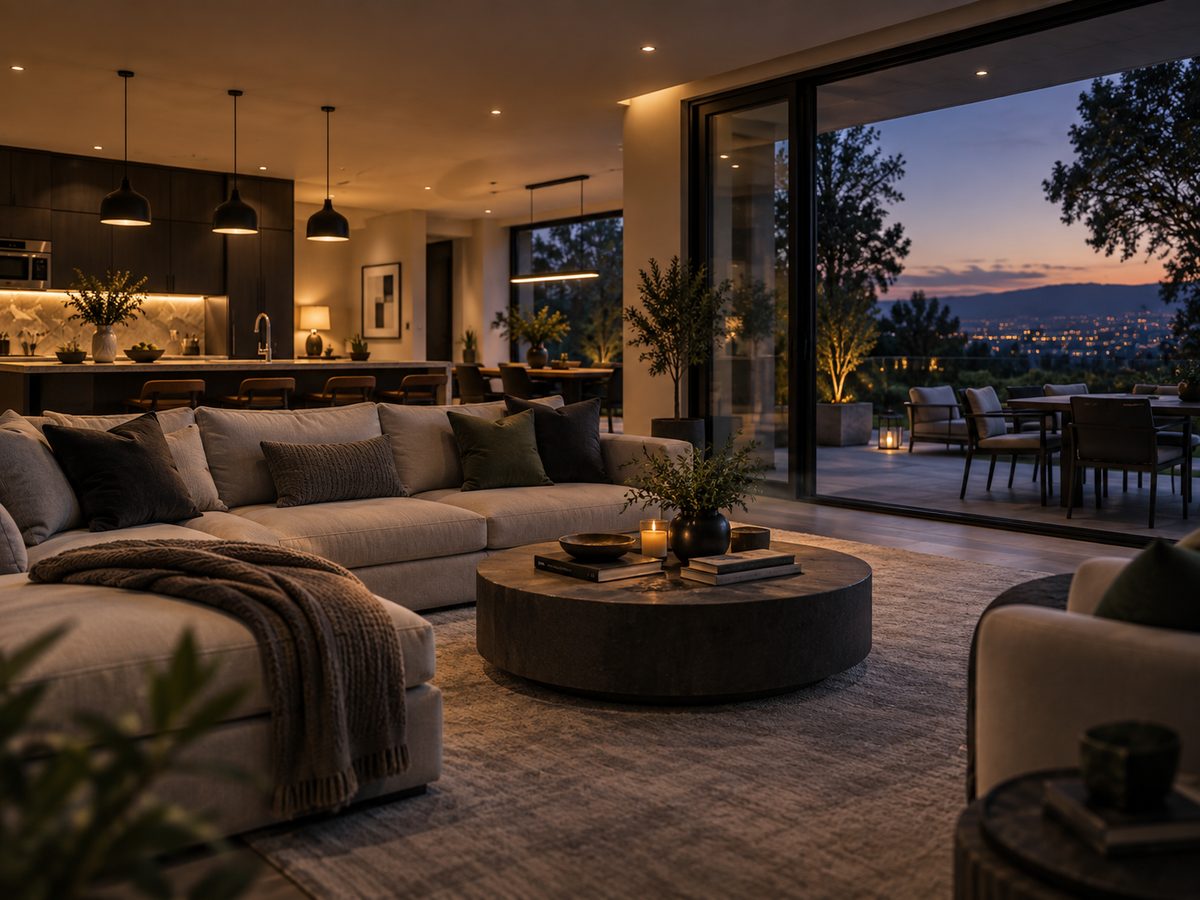
Illustration of a living area at dusk with layered lightingIllustration
A smarter, calmer homePlanned. Integrated. Built for real life.
Illustration of a neatly patched communications rackIllustration
A tidy, well-planned setupThe kind of comms cupboard a plan produces.
Our founder’s home

How an evim-planned home comes together

Our founder’s own home is where this approach was worked out. The story below is real. The images are illustrations of the kind of setup involved, not photographs of the house.

  1. The need

    Reliable Wi-Fi in every room, lighting that still behaves like ordinary switches, blinds that look after themselves, and one place to see what the home and the solar and battery system are doing.

  2. What evim handled

    Planning cable runs and device locations before the electrical walkthrough, mapping the network, and integrating lighting, blinds, presence, energy and the garage into one local smart-home setup.

  3. The result

    A home that works simply day to day: strong coverage, useful automations, physical switches that still work, and one dashboard for the systems that matter.

  • Whole-home Wi-FiReliable coverage where it matters.
  • LightingWall switches still work normally.
  • BlindsScheduled and sun-based control.
  • PresenceRooms react to who is home.
  • EnergySolar and battery on one dashboard.
  • GarageIntegrated with the rest of the home.
Process

How it works

  1. Talk about your home

    Start with a free 20-minute call, or send a few details about your project, existing setup and priorities.

  2. Define the requirements

    We work out what information is needed to scope the job. Where a separate assessment or planning stage is necessary, its scope and fee are agreed first.

  3. Agree the work and costs

    Your proposal sets out the work, responsibilities, costs and next steps. Additional work is discussed and approved before proceeding.

  4. Set up and hand over

    We deliver the agreed planning, coordination, configuration and integration, with documentation and a walkthrough at handover. Electrical and cabling work stays with the relevant trades.

Ownership and control

Your home. Your setup.

You own the hardware
You buy the recommended equipment directly and keep the warranty. We do not resell hardware.
You hold the keys
You receive documentation and administrator access for the systems we configure, so you or another professional can maintain and change them later.
It runs in your home
The Home Assistant setups we configure run on hardware in your house. The automations and controls we build do not depend on an internet connection, although some third-party devices may still use their own cloud services.
No subscription required
The Home Assistant and UniFi systems we set up do not need a subscription to keep working. Optional extras such as voice assistants or remote access may involve their own accounts, and we tell you before including them.
Switches keep working
We design lighting so wall switches still work when the automation server is offline.
Trades do the trade work
We do not do electrical work or fixed cabling. A licensed electrician and a registered cabler do, and the proposal sets out who is responsible for what.
FAQs

Things people ask first.

Can you help with an existing home or setup?

Yes. Much of our work is in homes people already live in: unreliable Wi-Fi, devices that do not talk to each other, or a setup someone else started. We begin by understanding what you have and what is not working.

When should I contact you during a build or renovation?

Before the electrical walkthrough with your builder. That is when cable runs and device locations get locked in. Custom builders and knockdown-rebuilds usually have the most flexibility; volume builders often limit electrical changes.

How is the work priced?

We quote for the scope of your project rather than use one price for every home. Before paid work begins, we explain what is included, our fees and any separate hardware, trade or travel costs relevant to your project. Additional work is discussed and approved before proceeding.

Is the introductory call free?

Yes. The 20-minute call is an initial conversation about your home, priorities and next steps. Detailed design, site assessments and troubleshooting are separate services, with any fees agreed before they begin.

Do I need a paid assessment or plan first?

Not always. Where the job needs a separate assessment or planning stage before implementation can be scoped, we explain what that stage will deliver and agree its fee first.

Who buys the hardware and handles electrical or cabling work?

You buy the recommended hardware from a list we provide, so you keep the warranty. Electrical work is done by a licensed electrician and fixed cabling by a registered cabler. We work with your trades and give them a clear brief.

What handover and support will I receive?

Every project ends with documentation, administrator access and a walkthrough of what was set up. Any ongoing support arrangement is set out in your proposal.

What areas do you cover, and can travel cost extra?

On-site work across Melbourne, based in the north. Remote planning is available Australia-wide. Where travel costs apply to your project, they are set out in the proposal.

Does it work with Google Home or Alexa?

Yes, through Home Assistant. Voice control through those assistants uses their cloud, and the easiest way to connect them is a small optional subscription. We tell you before including it.

What happens if Home Assistant goes down?

Lighting is designed so the wall switches still work. Automations pause until the server is back. We set it up so a restart is a button press, not a call.

Do I need to be home?

For on-site work, yes for the start and the handover. Planning work is remote.

How many data points do I need, and where?

Two at every TV and desk, one at each ceiling access point location, and spares to the roof space and eave corners. The exact count depends on the floorplan, which is what a plan works out room by room.

Do I need a neutral at every switch?

For smart switches that keep working without a hub, yes. A plan gives your electrician a per-switch note so it is confirmed in writing before rough-in.

Next step

Let’s work out what your home needs.

Start with a free 20-minute call to discuss your project, likely costs and next steps.